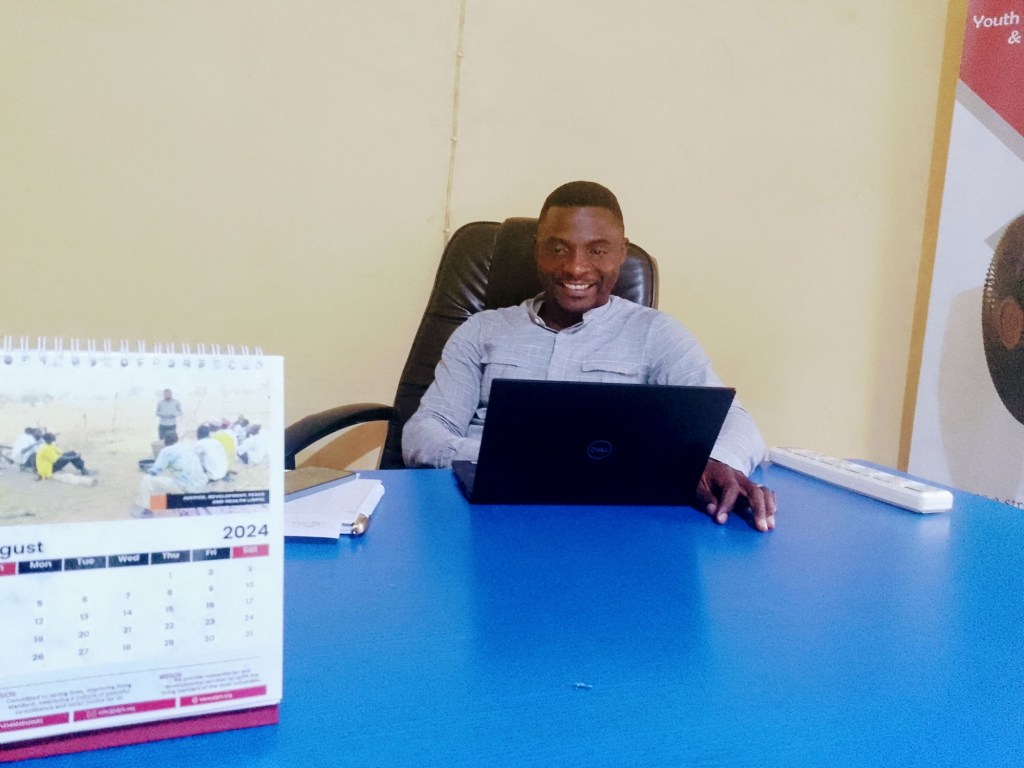
BY EZEKIEL DONTINNA
The mystery of putting an end to any disagreement or conflict that long existed in a broken society, is not always achieved by using one way approach. It goes with a purified exclusive hindsight that understands multidimensional approach to issues like that.
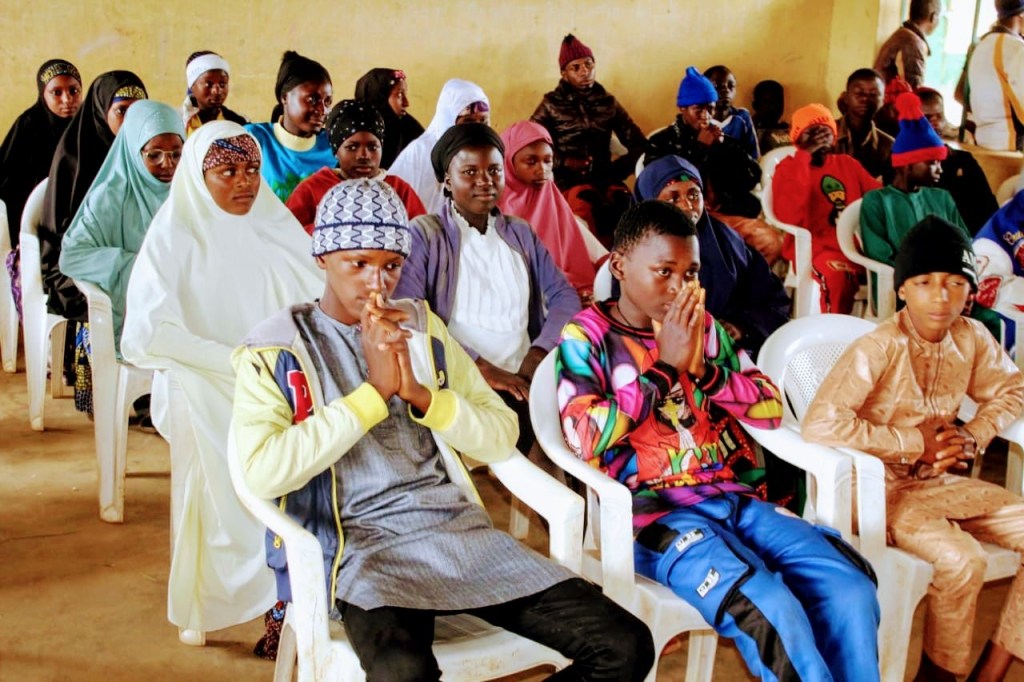
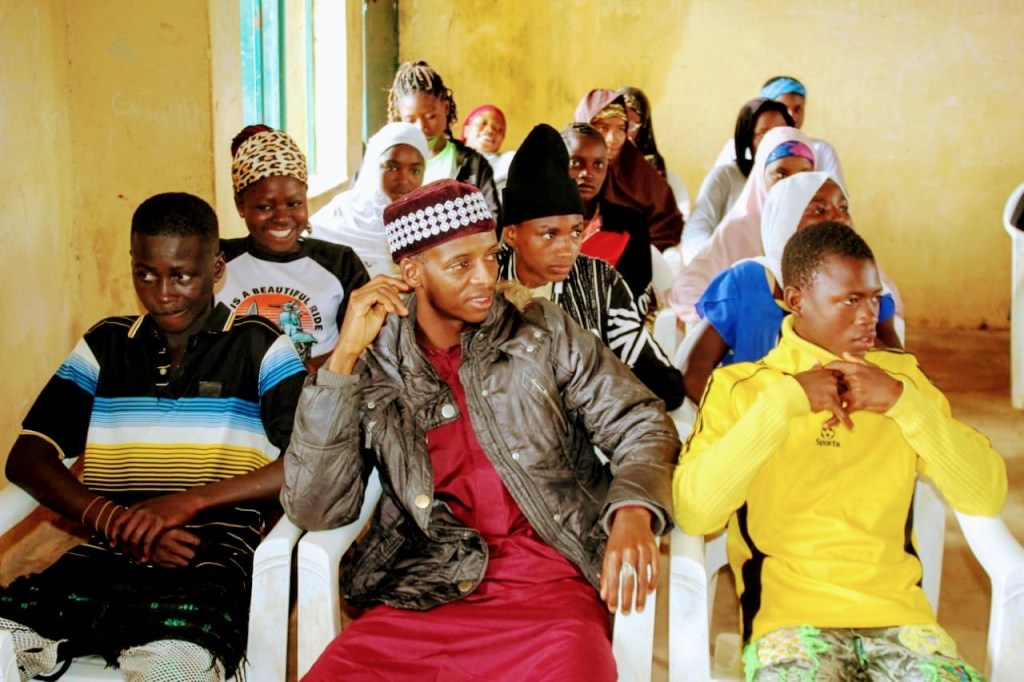
Although, it could logically be easy to say that, what looks obvious in hindsight can not be all obvious at some point, but the Youth Initiative Against Violence and Human Rights Abuse (YIAVHA), decided to dwell on the critical quest for peaceful cohesion looking at it from a different perspective that sees peace as a priceless commodity.
Over the years, so much emphasises have been on the psychological and structural aspects of addressing conflicts on the Plateau. Series of peace workshops and seminars were organised by Governments and Civil Society Organisations (CSOs), but a mechanism for a genuine and practical cohesion was somehow lacking.
This could possibly, be why there still existed some no go areas in communities around Riyom, Barkin-ladi and other crisis ravaged local government areas in the state.
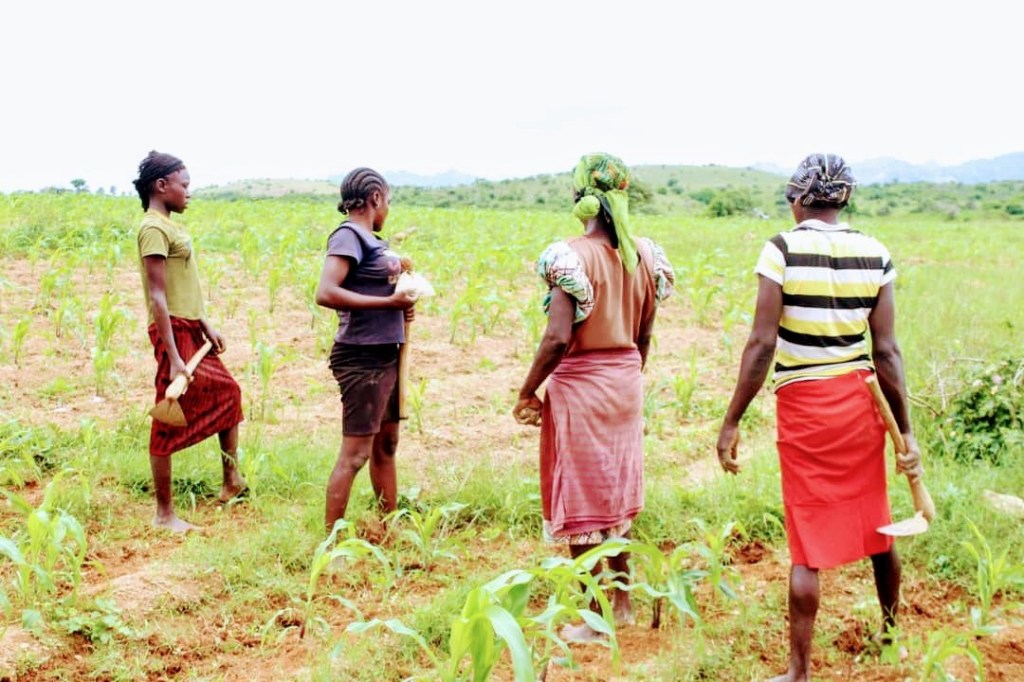
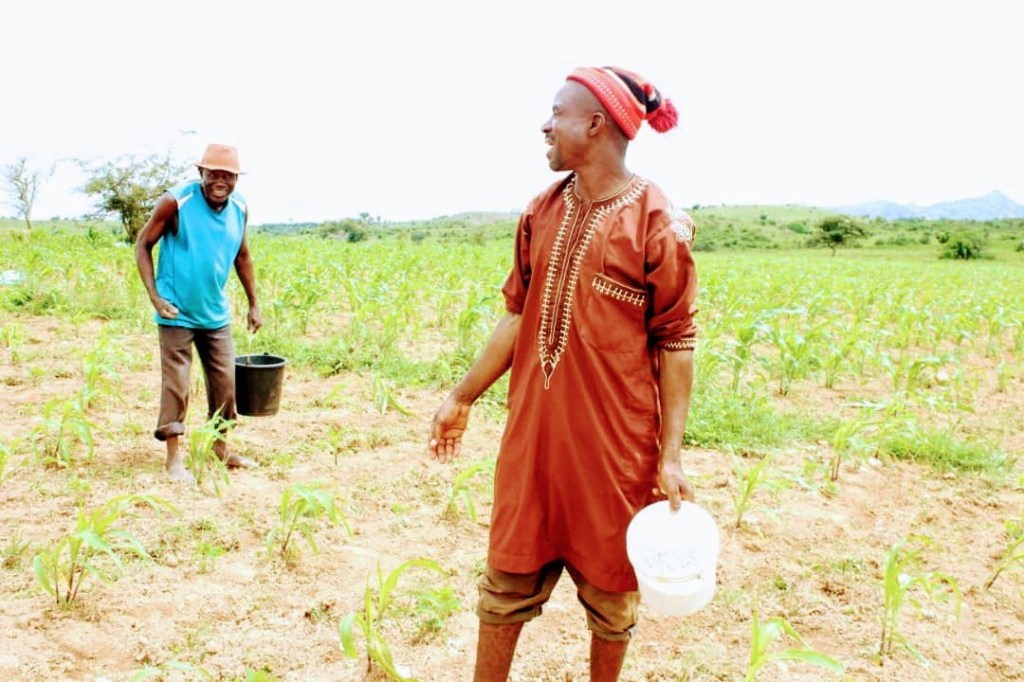
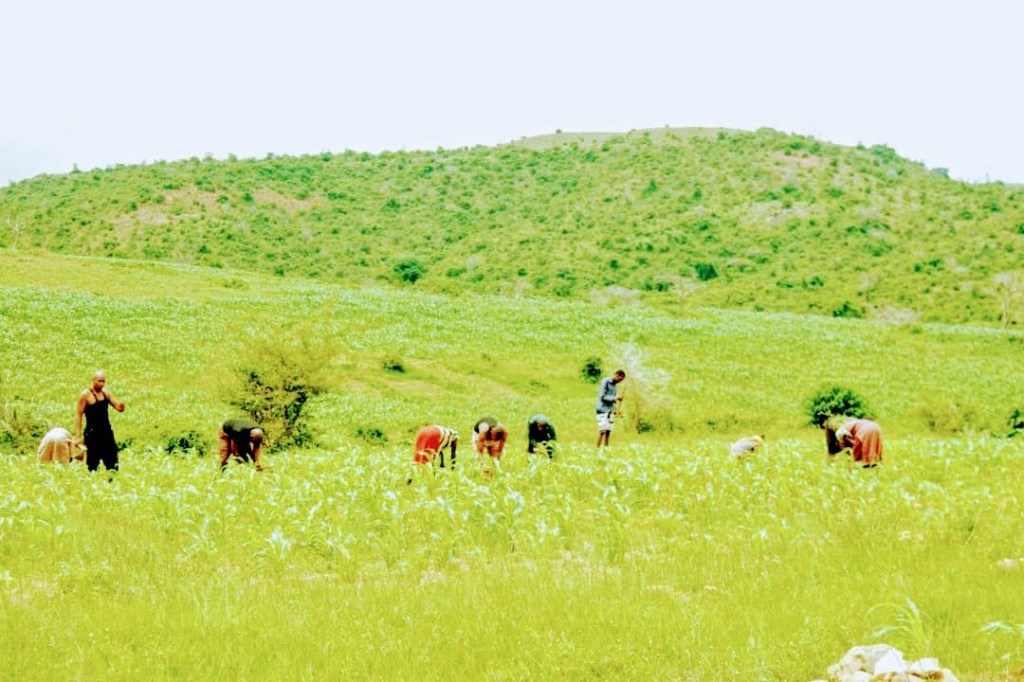
Despite efforts by Federal, State, Local Government, CSOs as well as International Communities investing heavily in this peace process, people still hold to the fears of the unknown, because practical applications were not reached.
However, YIAVHA, having seen and been part of the peace process over the years, decided to diversified its approach and went into what the organisation tagged: “Building Bridges for Peace”, a Community-Based Participatory Action Research to Promote Socio Economic Integration and Cohesion to Farmer/Herders Conflicts”.
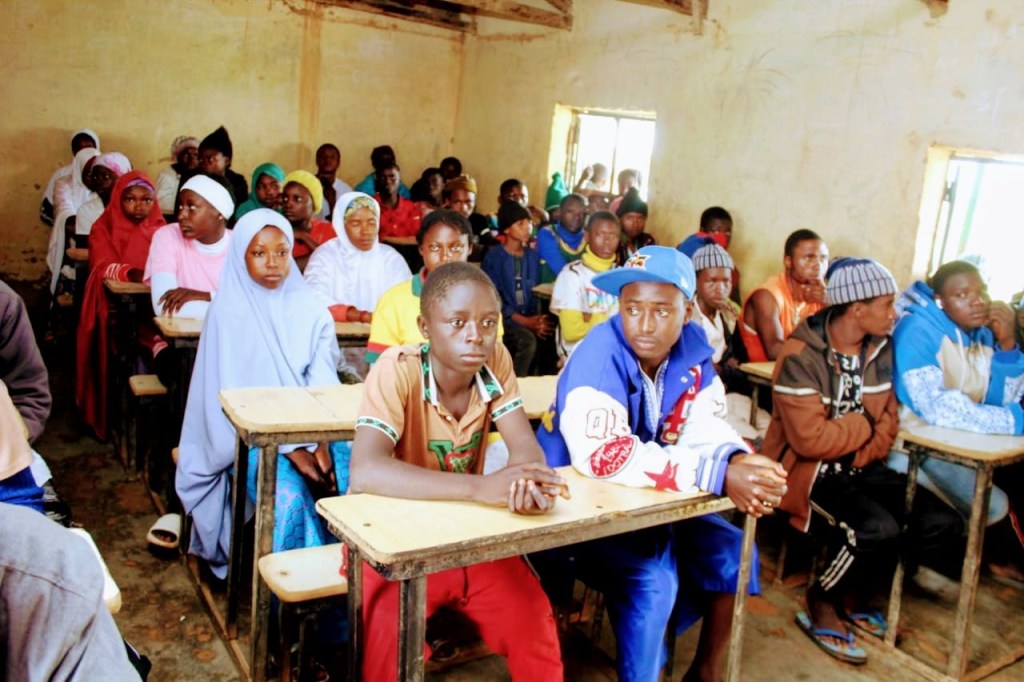
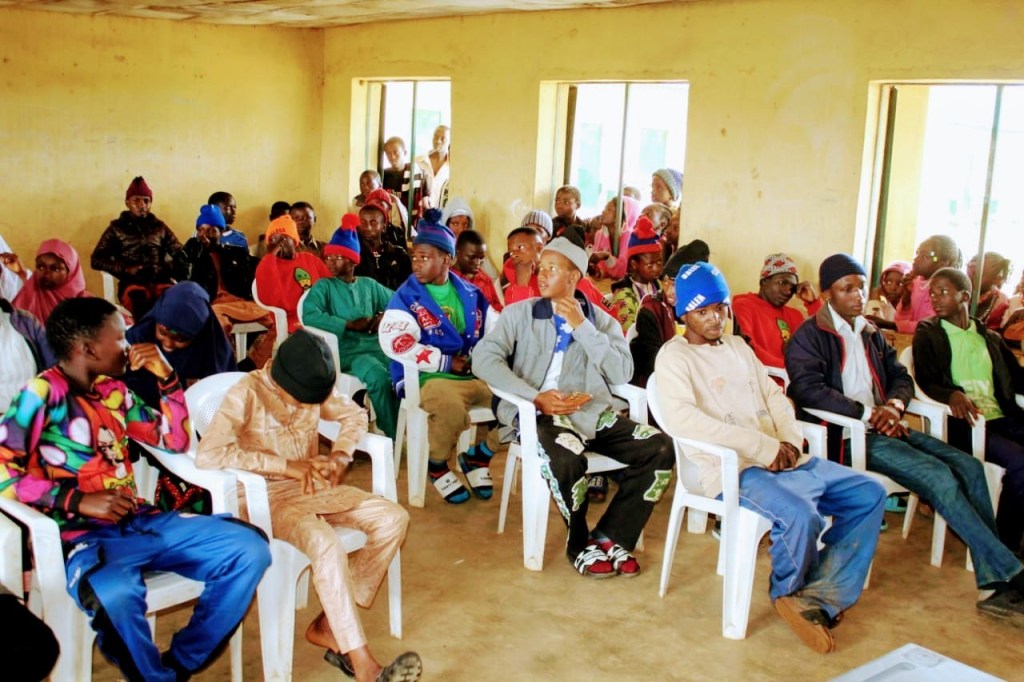
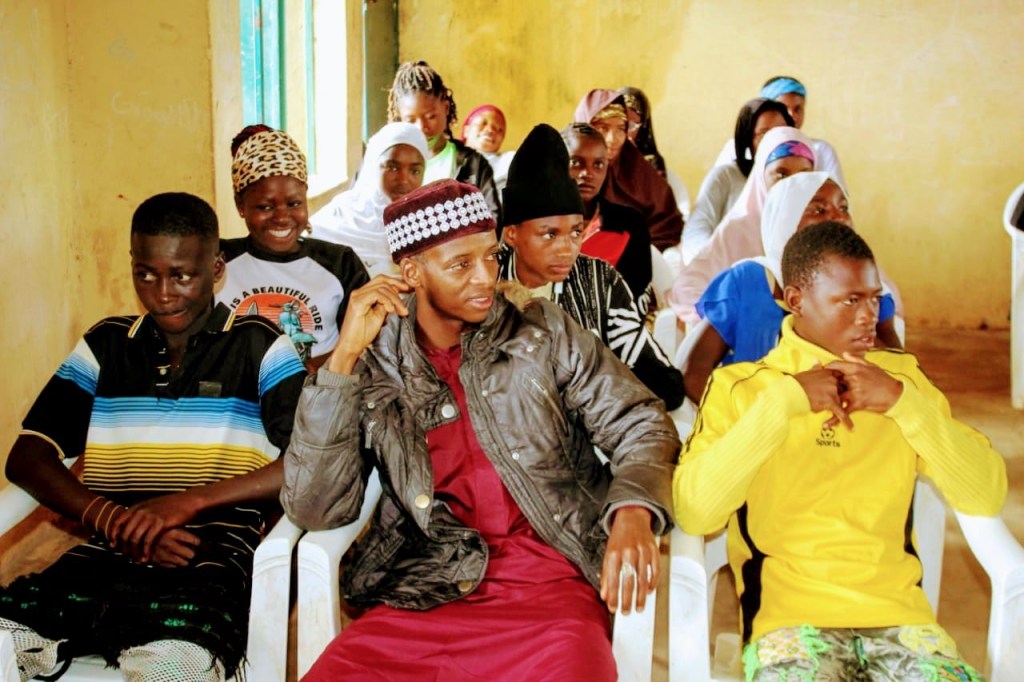
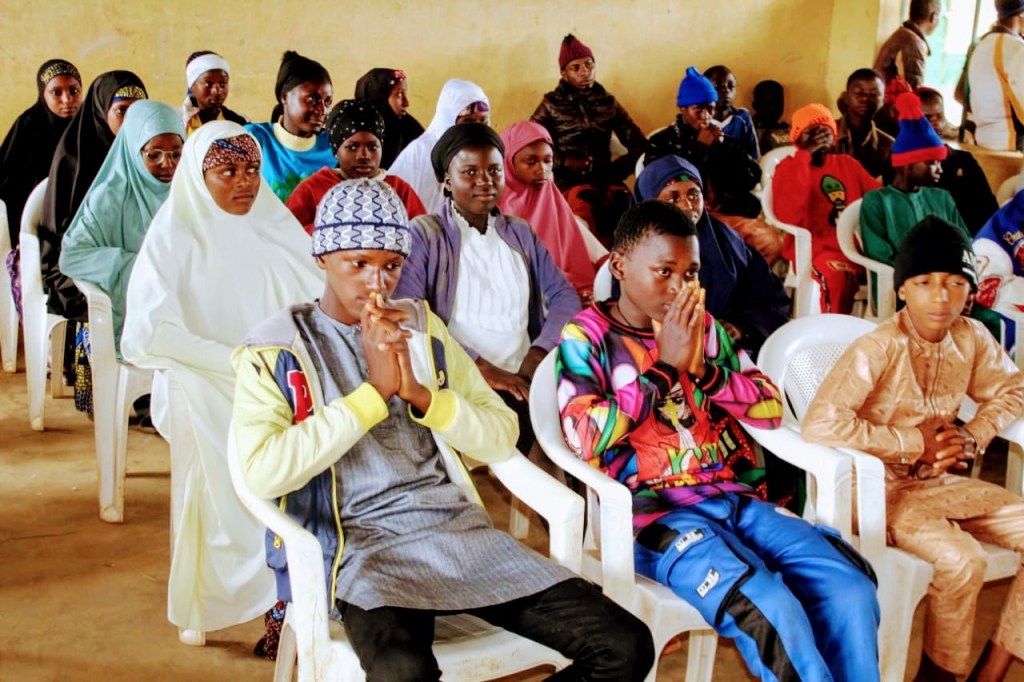
Findings revealed that, the project is funded by Knowledge Platform, Security and Rule of law. We further found out that, the objective of the project is to Promote Socio Economic Integration and Cohesion in Farmer/Herders Conflicts” in 8 communities of Riyom Local government, Plateau state.,
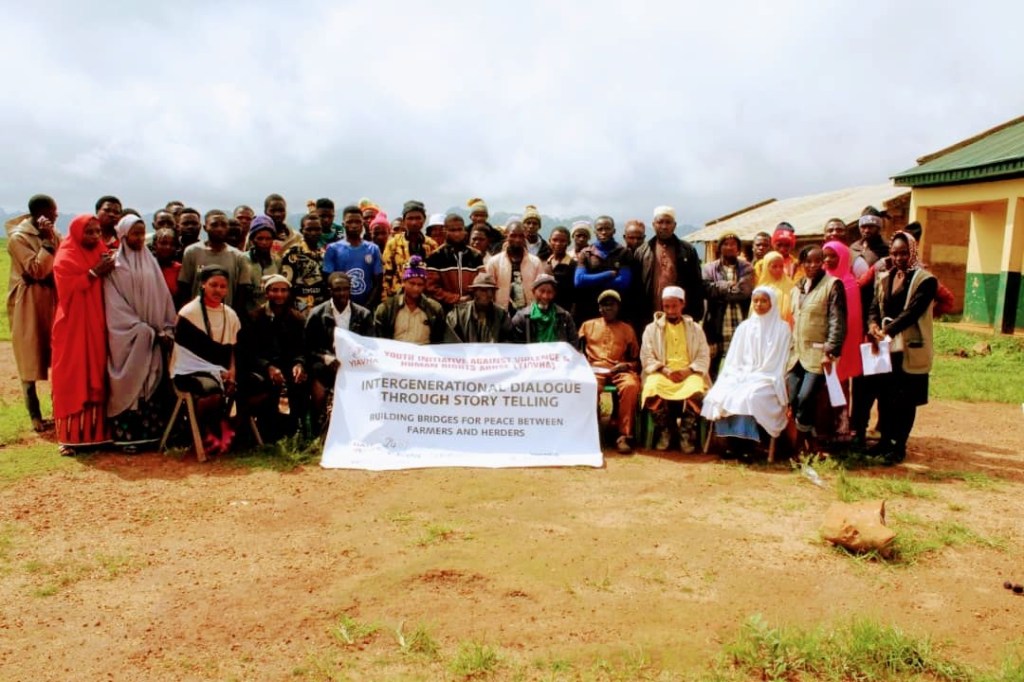
Towards cementing this years of bloody fracas that succeeded in hampering their long existed cohesion before recent, the Youth Initiative Against Violence and Human Right Abuse (YIAVHA), deliberately came up with a reunion mechanism where farmers and herders came together to foster unity among themselves.
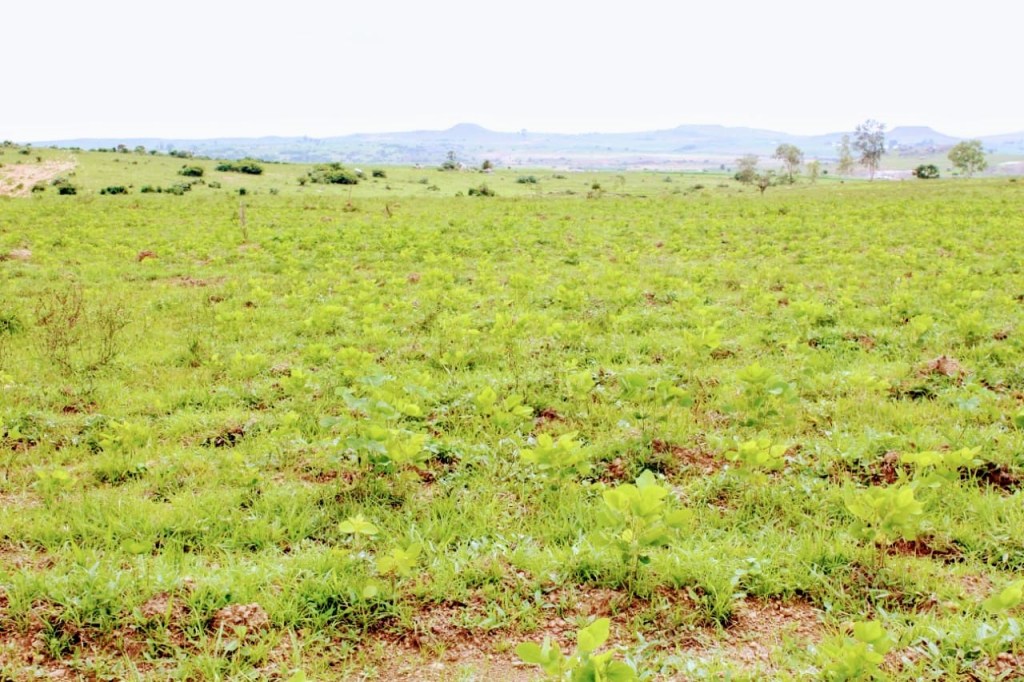
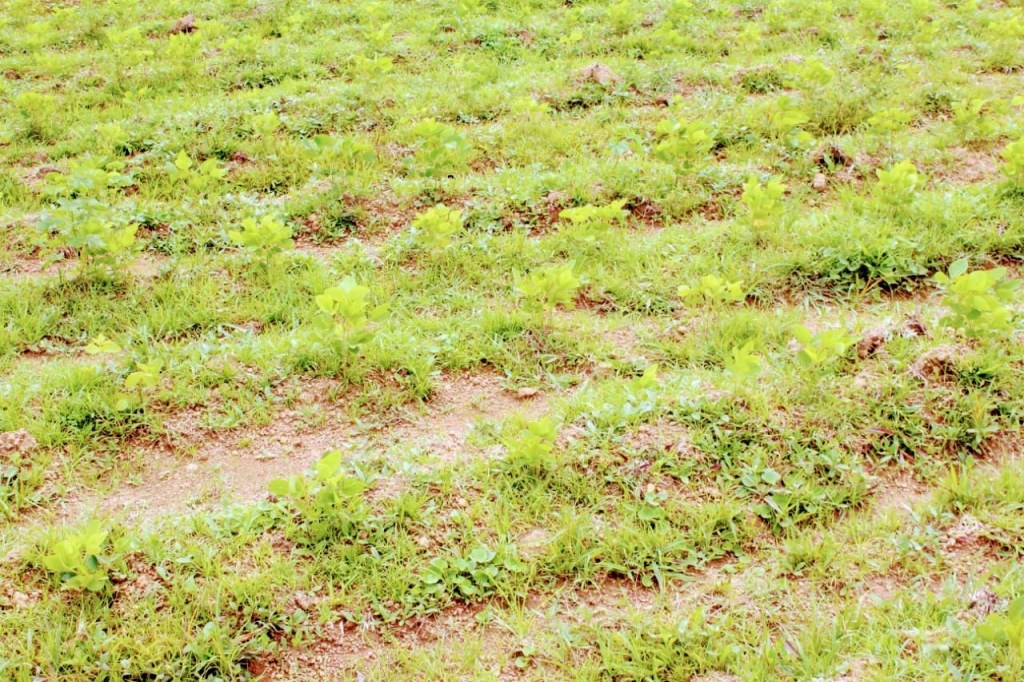
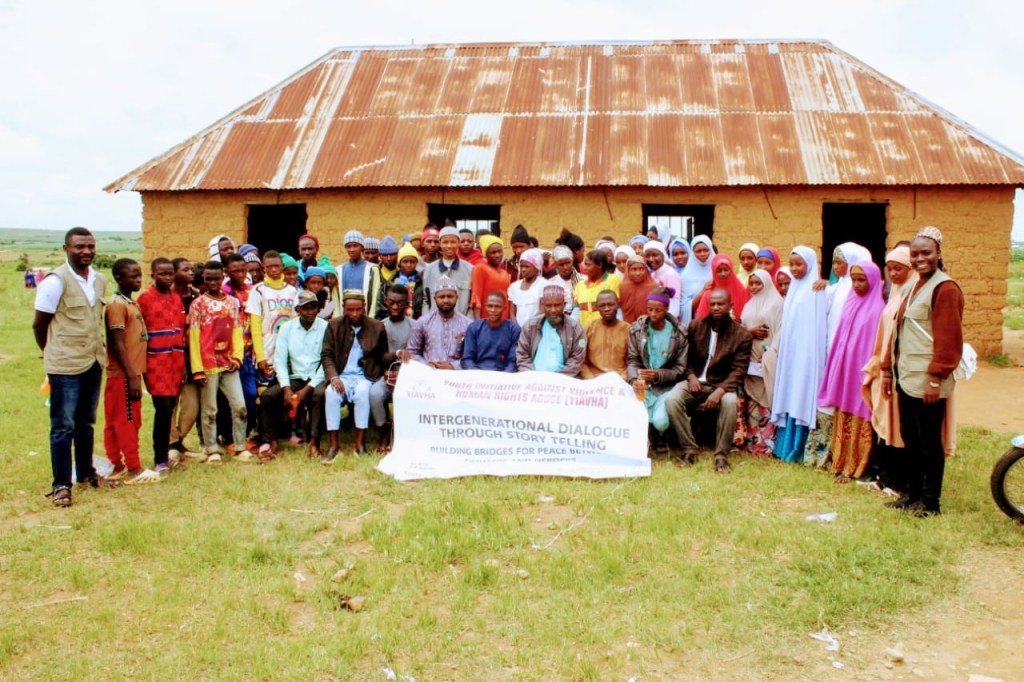
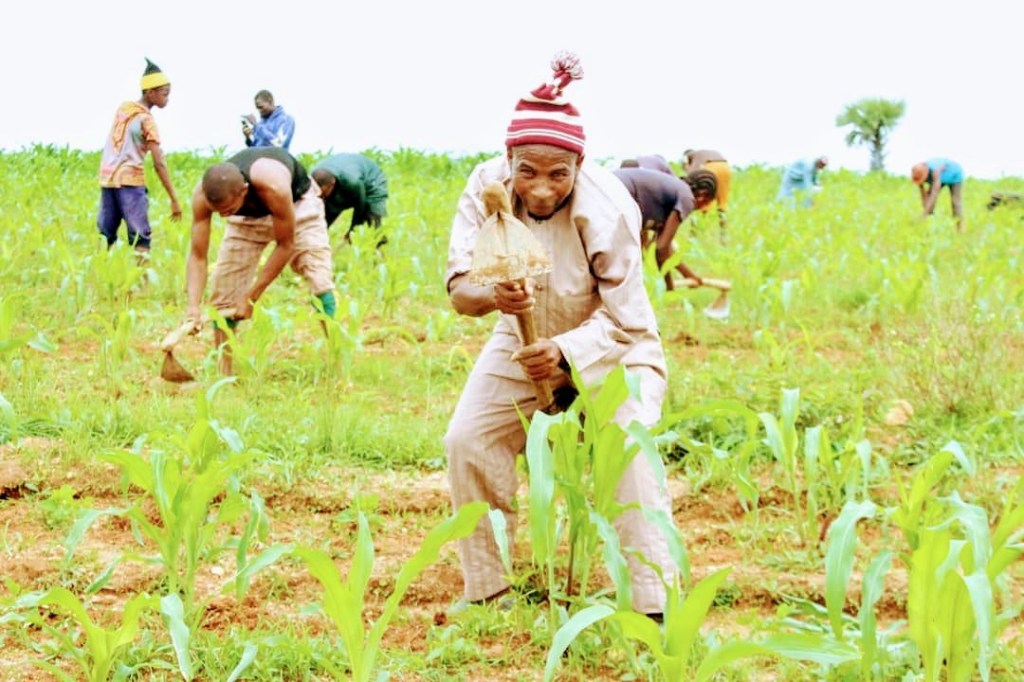
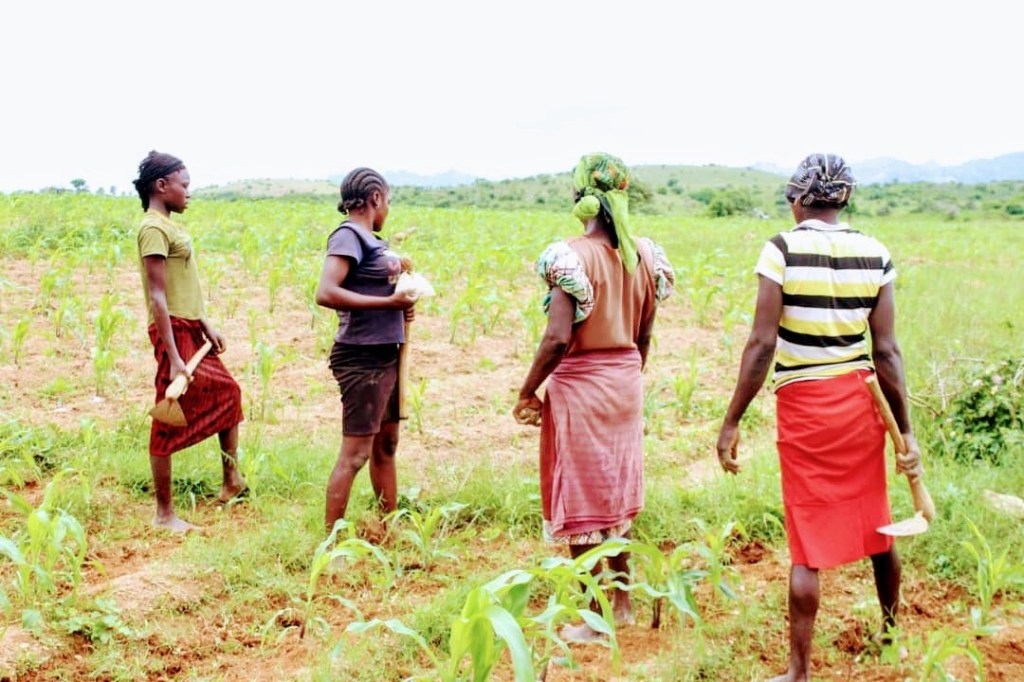
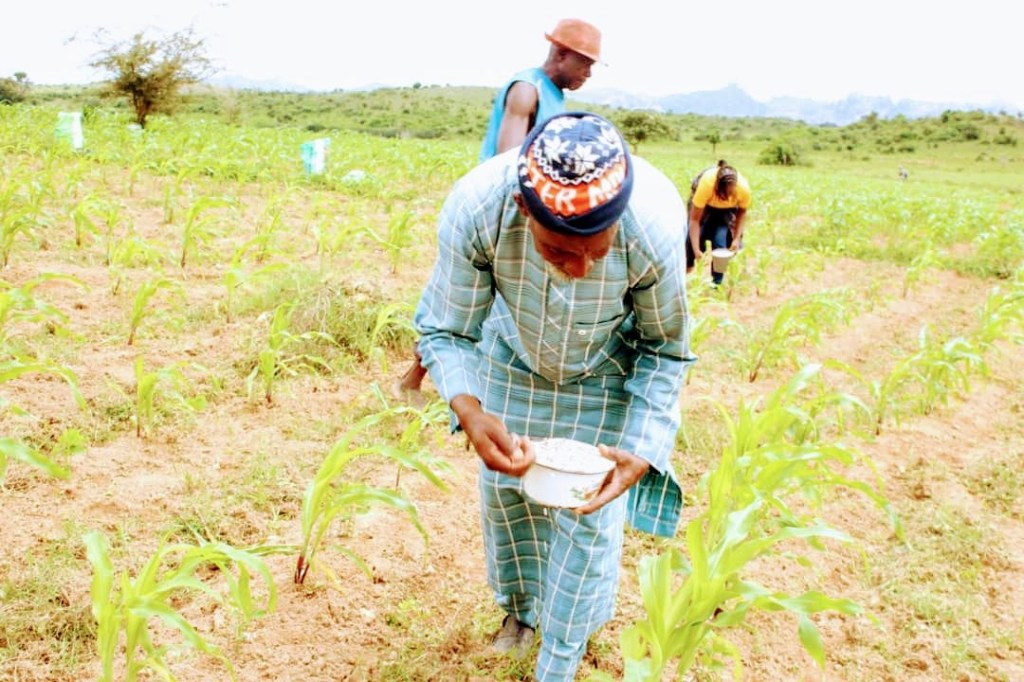
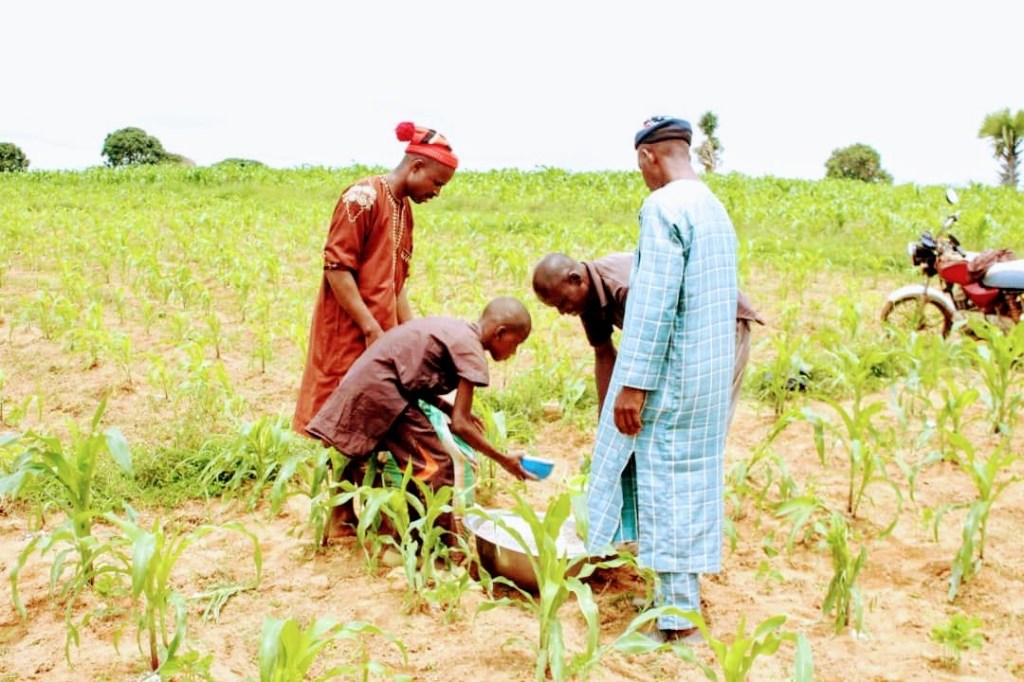
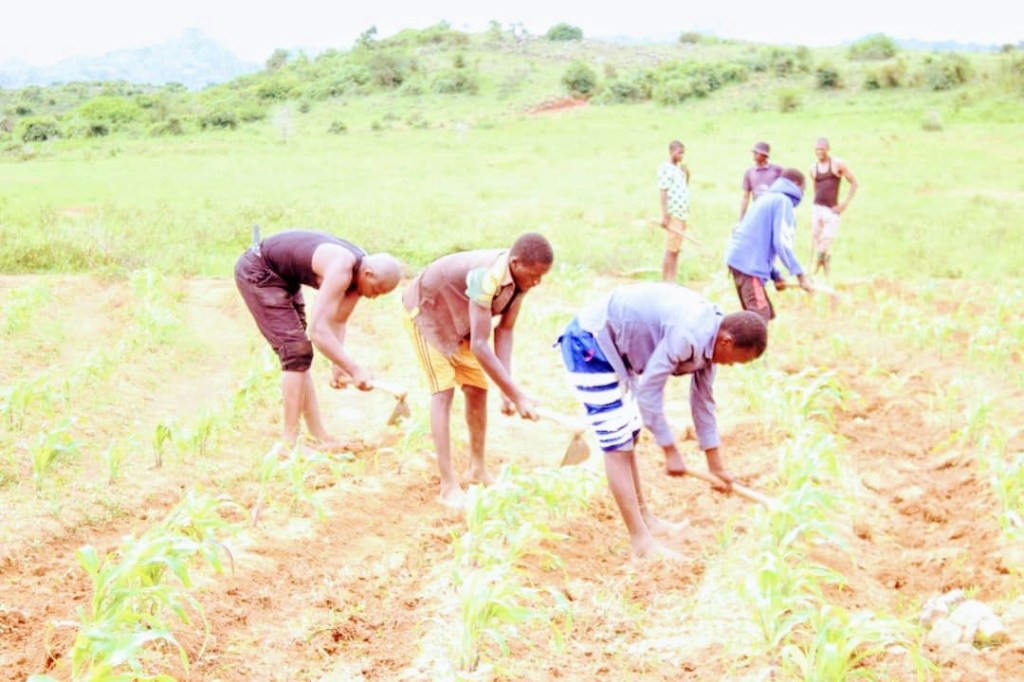
Interestingly, this Civil Society Organisation, had earlier this farming season brought both Fulanis herders and the farming Berom communities together through its Joint Farming Initiatives Programme to cultivate over five (5) different lands.
According to the Executive Director of YIAVHA, Mr. Jacob Choji Pwakim, “the initiative was to go beyond just dialogues that create understanding, but also see how these dialogues open the doors for cooperation, Peace, safety for each other, social cohesion, collaboration, and economic prosperity.
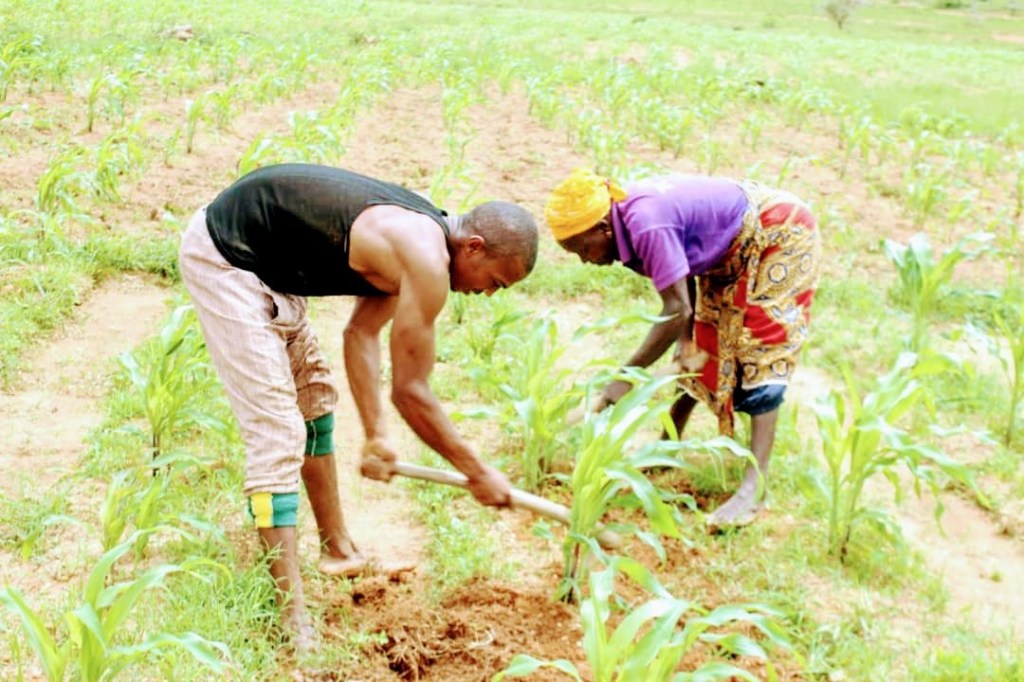

“So, we deliberately designed the project to have joint activities like systems thinking workshop, community action research, joint farming, intergenerational storytelling, exchange visits across communities that have been at loggerheads. We factored young people at the centre of the intervention while leveraging on local power structures that statutorily influence the state of peace or violence in their communities”.
“The reasons for this Initiative is one, we have seen that blood baths in Plateau have undignified every living soul of these lands, making old friends to become arch enemies. Both the farmers and herders were not free to use those lands because they were scared of the cattles and crops being killed or destroyed”, he explained."So, we felt that if we are able to bring them together where they could be able to enter
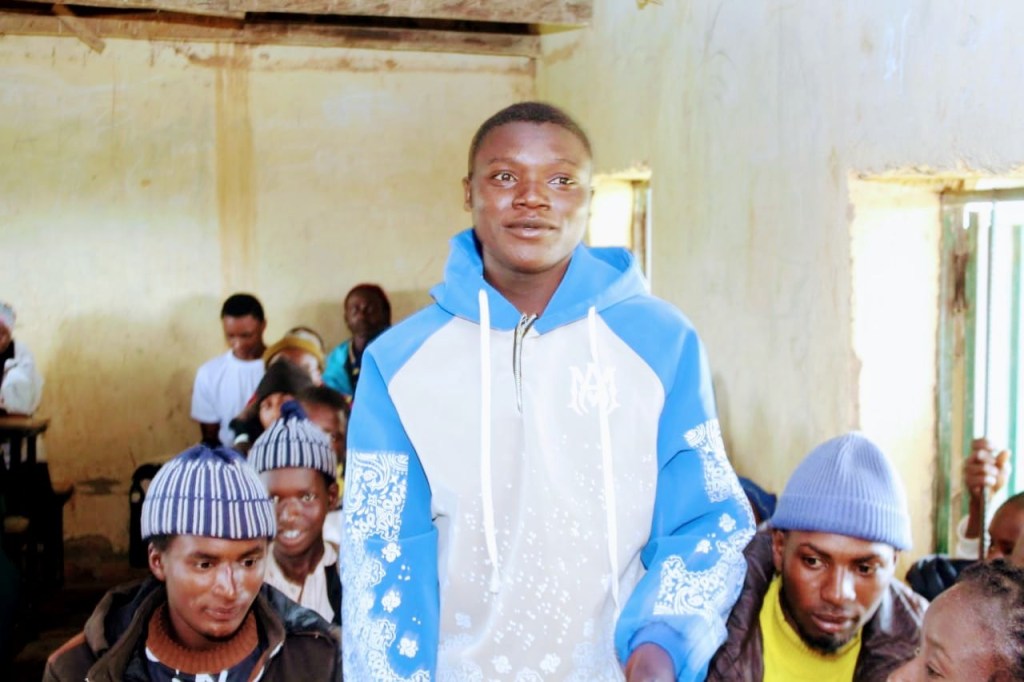
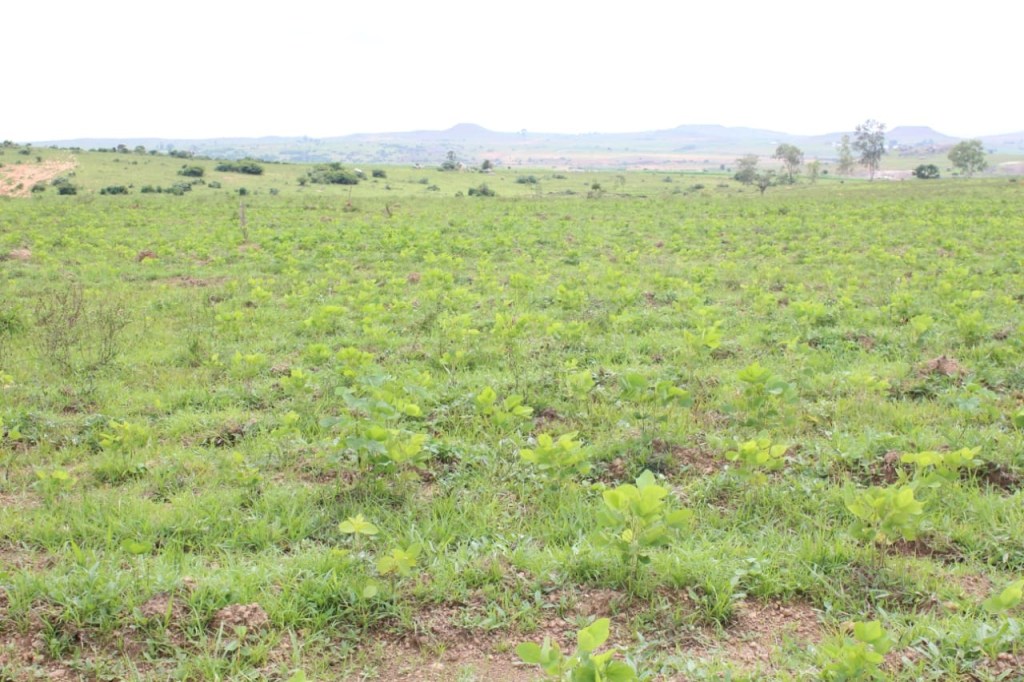
“So, we felt that if we are able to bring them together where they could be able to enter each others’ communities freely and dialogue, it will be a great achievement. Fortunately, they all agreed on measures that would stop any further disagreement or conflict and both were very happy and truly, it was demonstrated.
“We decided to pair those erring communities together to see if those fears that existed or that people held in time past are real or just an imaginations and see to what truly brought this sudden change.
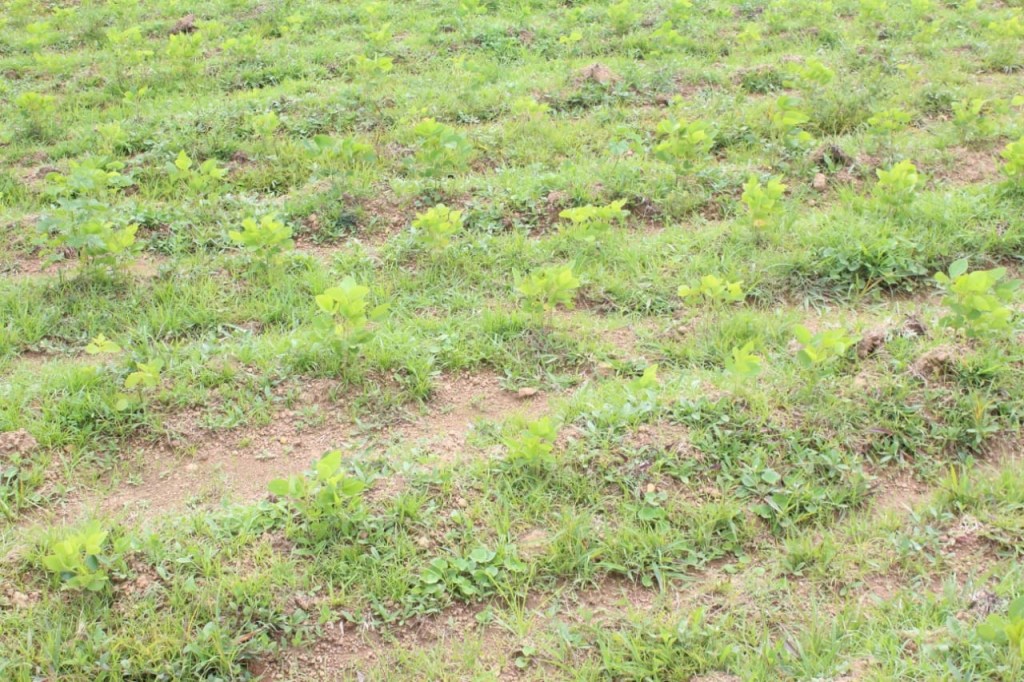
“We wanted to know if they are still holding to the fears of the past which has made them to see each other as enemies? These fears were across board so, we joined Rim and Jenda, Sas and Kwi, Mahanga and Jol with Riyen and Bangai respectively to farm together this year.
“With this, they have realised that the existing relationship between the farmers and herders is a symbiotic one now and they were able to agree that criminality will not be tolerated anymore. They were ready to deal with any criminal activity within them and it was awesome”, he disclosed.
Pwakim, explained further that, the above listed communities for years, hardly relate because they still see each other as sheer enemies and believed that nothing could ever bring them together again, but the unexpected happened when they came with this Initiative.
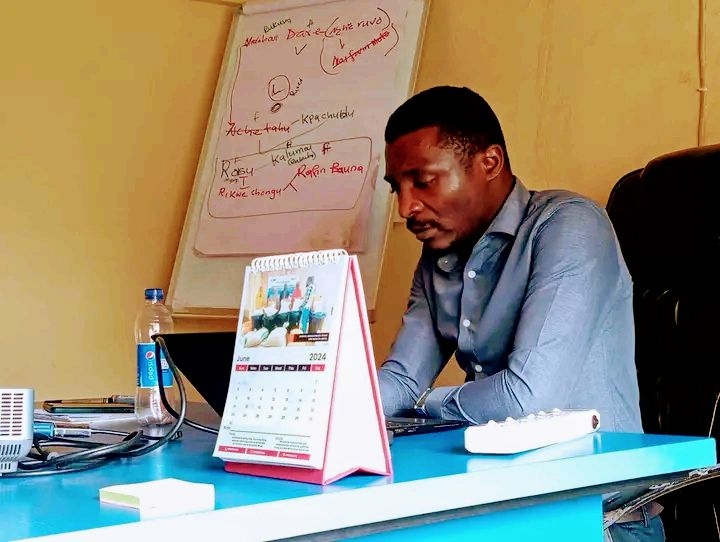
It was for this reasons that YIAVHA took it up and decided to infuse what is called: “System Thinking Workshop” after identifying communities, mapping stakeholders and perspectives around the conflict communities.
Both farmers and herders later come to terms with reality and realised that they were reasons behind the escalation of all the conflicts because they failed to fight the common enemy that had succeeded in placing them at logger heads all these while.
The intention was for the erring communities or parties to value each other and what they have to make a living out of. This, according to findings revealed that, it was the first of its kind in the country, a situation where farmers and herders would agree to cultivate land together and grow crops.
One mind blowing issue to note with this initiative is the fact that, these people agreed to sell the crops at the end of this farming season when harvested and share the money among themselves, but a percentage as initiated by YIAVHA, would be reserved to enable them farm the coming season.
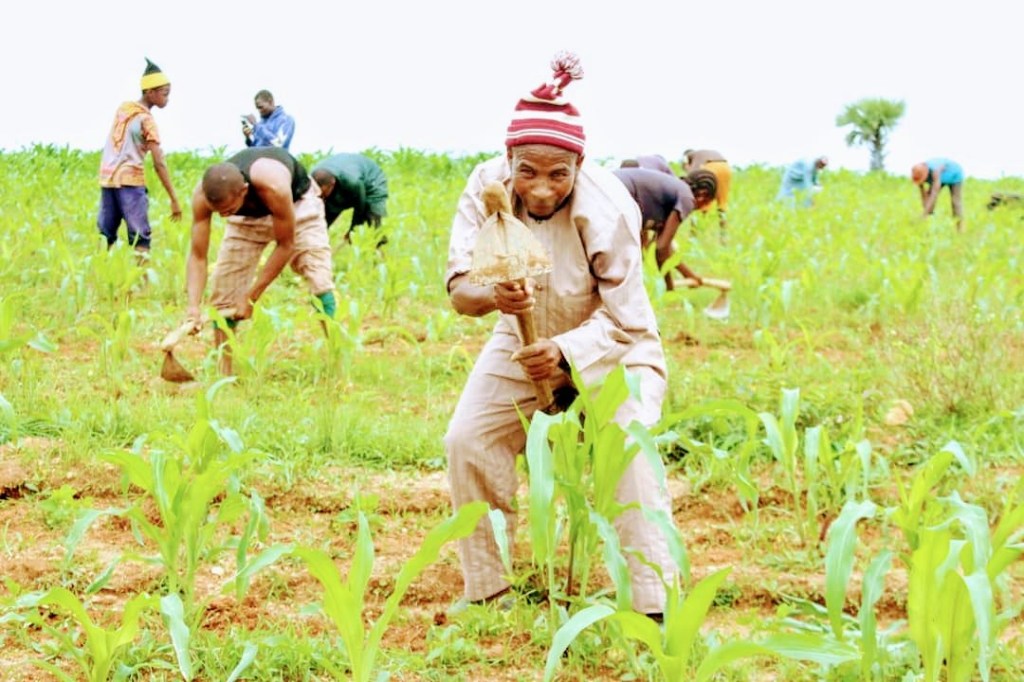
The Executive Director, therefore, expressed optimism that, this singular act has really renewed confidence among these communities and were always seen meeting to farm as a team as family and they are all celebrating the reunion.
One of the greatest achievement of YIAVHA, was the engagement of youth in the dialogue which most time, people do not respect as key players in conflict resolution. It is quite unfortunate that, workshops and seminars are always at the advantage of the elders who do not go out.
The organisation has also planned to reach out to other conflict affected areas like Bassa, Mangu, Barkin-ladi and Bokkos Local Government Areas to see that this renewed relationship and confidence can be realised in these communities.
 Streetbell Online